
Autodesk introduces portfolio for the Future of Manufacturing
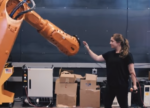
With the world of manufacturing undergoing major disruptions brought on by new market forces and technologies, Autodesk has unveiled its unified portfolio of solutions for additive and subtractive manufacturing. The portfolio lets manufacturers take advantage of technology disruptions and improve competitiveness by creating higher quality products in less time with lower costs. The new solution brings together industry-leading products historically offered from Autodesk, Delcam, Netfabb, Pan Computing and Magestic Systems—including HSMWorks, Inventor HSM, Fusion 360, FeatureCAM, PowerMill, PartMaker (now included in FeatureCAM), PowerShape, PowerInspect and Netfabb—into one complete set of hybrid manufacturing solutions. Autodesk has long been a leader and innovator in 3D design, engineering and the technologies that expand the applications of industrial 3D printing, no product is really complete until it’s realised through physical manufacture. Autodesk has also become a leader in technologies that expand the applications of industrial 3D printing. Now, they are truly integrating the design, make and use phases of product development. This new set of solution goes big on the ‘make’ component—equipping manufacturers with all the software they need to go from digital design to real-world product. The portfolio spans computer aided manufacturing (CAM), additive manufacturing, composites, robotics fabrication, factory layout, inspection and modeling. It enables customers to solve complex manufacturing challenges and seamlessly connect design to machining. Within the portfolio offerings are cloud-connected capabilities designed to help users experience the benefits of a more cohesive manufacturing workflow and invest more time in product development. Cloud-capabilities give customers improved support for global manufacturing operations with universal access to software and data, and the cloud also enables fast and frequent software upgrades. What’s in the Autodesk portfolio for additive and subtractive manufacturing? Autodesk HSMWorks: A fully integrated CAM solution for SOLIDWORKS, allowing users to get up to speed and become productive within minutes using familiar […]